 IMMORTALITY
I think this is a much more important question than simply identifying another hallmark of aging.
The real objective is to find the mechanism that explains why all the other mechanisms deteriorate together.
Rather than ask how to fix mitochondrial dysfunction, how to restore autophagy, how to remove senescent cells or how to repair DNA, we should ask:
What is the underlying failure that makes a living organism progressively lose the ability to maintain all these systems in the first place?
I've considered your other AI's proposed hierarchy, the twelve hallmarks, the evolutionary theories, epigenetic reprogramming, DNA damage, metabolism, cellular maintenance, and some important newer 2026 research.
My central conclusion
I agree with the other AI that the answer probably involves damage-induced loss of biological information. However, I would modify its leading theory.
My strongest candidate is:
My leading hypothesis
Progressive failure of biological maintenance and information control
The ability of cells and tissues to detect, repair, replace and reset damaged or incorrectly regulated biological structures gradually becomes insufficient relative to the disturbances they experience.
This produces an increasing maintenance deficit, which eventually manifests as the twelve hallmarks of aging.
This is deliberately broader than the information theory of aging alone.
It incorporates two distinct problems:
- Physical deterioration: DNA damage, mutations, protein damage, molecular crosslinking, membrane damage and structural deterioration.
- Loss of regulatory information: Cells progressively lose the ability to maintain their correct identity, gene-expression patterns, metabolic state and coordinated responses.
The first damages the biological machinery. The second damages the instructions and control systems that maintain that machinery.
Energy availability, nutrient signalling and growth regulation determine how effectively the organism can defend itself against both.
I would not claim this is an established scientific theory. It is my proposed unifying model, based on how well the competing explanations account for the available evidence.
There are good reasons to think that one molecular cause may not exist. The original 2023 Hallmarks of Aging paper describes interconnected mechanisms, not a demonstrated chain of twelve consecutive events. A September 2026 review likewise argues that the hallmarks should be regarded as provisional causal modules, with their priority, necessity and sufficiency still unresolved. [2023 Hallmarks of Aging] [2026 review]
1. The first problem: the hallmarks aren't all the same kind of thing
The 2023 Hallmarks of Aging framework places twelve processes into three groups.
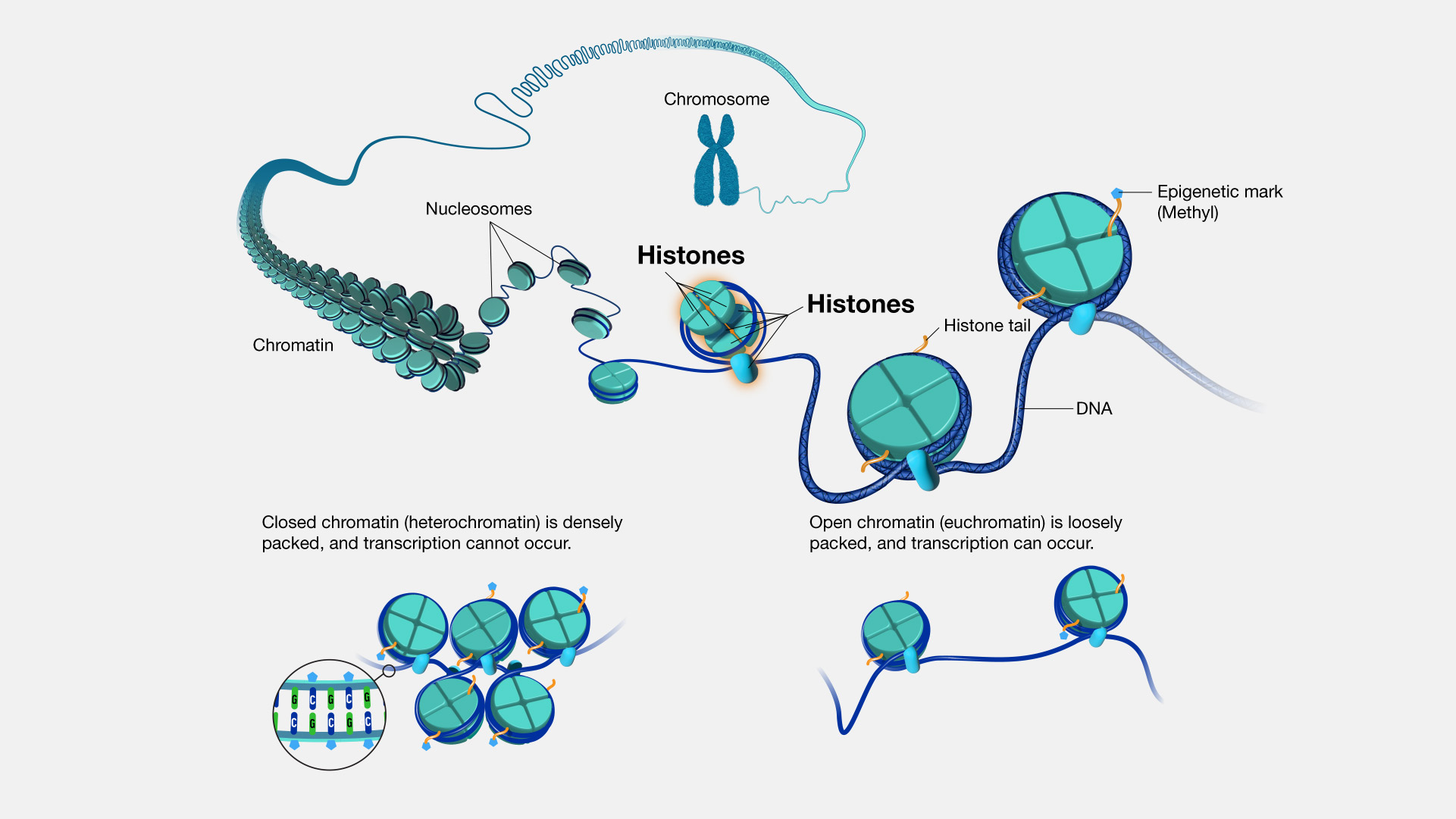
But there is a conceptual problem with treating all twelve as equivalent.
Some are sources of damage, some are failures of repair, some are regulatory systems, and others are consequences of deterioration.
For example:
- DNA mutations are physical changes to the genome.
- Telomere shortening is a failure of chromosome-end maintenance.
- Epigenetic alterations are changes in the system regulating gene expression.
- Loss of proteostasis is a failure to control protein quality and turnover.
- Disabled autophagy is a failure of cellular recycling.
- Deregulated nutrient sensing is a malfunction in metabolic control.
- Mitochondrial dysfunction is a problem with energy metabolism and signalling.
- Senescence is a cellular response to stress or damage.
- Stem-cell exhaustion is a loss of regenerative capability.
- Inflammation is an organism-wide response that can become chronically harmful.
- Dysbiosis is an ecological disturbance in the microbiome.
- Altered intercellular communication is a breakdown of coordination between cells.
These are not twelve independent causes.
I think the better question is whether they can be grouped into a smaller number of fundamental failures.
A more useful causal hierarchy
The ability to preserve biological structure, information and homeostasis
↓
DNA damage, epigenetic drift, proteome deterioration, telomere dysfunction and impaired recycling.
Growth signalling, nutrient sensing, metabolic flexibility and insufficient maintenance allocation.
↓
Senescence, mitochondrial dysfunction, stem-cell impairment and defective tissue renewal
↓
Inflammation, altered intercellular communication, dysbiosis and loss of physiological resilience
My proposed causal model, not an established sequence. Feedback also travels upwards: inflammation and senescence can further damage the maintenance systems.
A recent 2026 review makes a similar methodological point: the categories in the hallmarks framework should not be treated as a rigid causal sequence. The same process can be protective under one condition and harmful under another. [2026 Hallmarks review]
That is an important distinction for our investigation.
2. The leading candidates for a single upstream cause
I would investigate nine candidates. They are not all competing at the same level: some are possible molecular origins, some are regulatory mechanisms, and some explain why the organism has evolved a finite lifespan.
Candidate 1 — Loss of biological information and cell identity
Strongest specific cellular candidate
This is the information theory of aging associated with David Sinclair, Jae-Hyun Yang and their collaborators.
The underlying idea is that maintaining an organism requires more than preserving its DNA sequence. Cells must also preserve the correct organisation and interpretation of that DNA.
Think of the difference between:
- The genome: the underlying information.
- The epigenome: the regulatory instructions controlling how that information is used.
- The cellular phenotype: the actual operating state produced by those instructions.
A cell can retain essentially the same DNA sequence while progressively losing the ability to maintain its correct identity and function.
The ICE mouse experiment is particularly important.
Yang and colleagues published Loss of Epigenetic Information as a Cause of Mammalian Aging in Cell in 2023.
They used an inducible system called ICE to introduce DNA double-strand breaks, which were then repaired.
The researchers reported that this process:
- Altered the distribution of chromatin-regulating proteins.
- Eroded aspects of the epigenetic landscape.
- Caused cells to lose aspects of their differentiated identity.
- Produced physiological and cognitive aging-like changes in mice.
- Advanced several molecular aging measurements.
They subsequently used OSK (OCT4, SOX2 and KLF4) to reverse some of these changes. [Read the original ICE mouse paper]
Why I consider this a strong candidate
This offers a mechanism that connects genome damage to deterioration in gene regulation.
If a cell cannot reliably remember what it is supposed to be, it may progressively lose its ability to maintain its specialised functions.
Consider what that could mean:
A neuron needs to remain a neuron, a cardiomyocyte needs to remain a cardiomyocyte, and a stem cell needs to preserve its regenerative identity.
All require continuous maintenance of cellular identity.
Where it fails as a universal explanation
There are important limitations.
First, the ICE experiment deliberately introduces DNA breaks. It therefore does not establish whether natural aging begins with epigenetic information loss or whether DNA damage and its repair initiate the observed loss.
Second, reprogramming can alter numerous biological processes simultaneously. Reversal of aging-associated features by OSK does not establish that epigenetic information loss was the original cause of all those features.
Third, it has difficulty independently explaining the deterioration of long-lived extracellular structures such as collagen and elastin.
Finally, epigenetic information is not the only kind of information needed to preserve an organism.
My assessment: One of the strongest candidates for a common mechanism inside cells, but it is not yet a complete explanation of whole-organism aging.
Candidate 2 — Failure of damage repair, replacement and quality control
Strongest broad mechanistic candidate
This is closely related to Candidate 1, but I regard it as more fundamental.
Instead of saying that epigenetic information is lost, this theory says:
The systems responsible for preserving biological integrity gradually become unable to keep up with the damage and disturbances occurring throughout life.
These systems include:
- DNA repair.
- Protein folding and refolding.
- Proteasomal degradation.
- Autophagy and lysosomal recycling.
- Mitochondrial quality control.
- Membrane and organelle maintenance.
- Telomere maintenance.
- Extracellular matrix renewal.
- Regulation of cellular identity.
The common element is not one enzyme. It is the ability to detect and correct errors.
Consider an example.
A protein becomes damaged. Normally, the cell can refold it, repair it, or remove and replace it.
But what happens if this process gradually becomes less effective?
Damaged proteins accumulate, protein aggregates form, cellular signalling deteriorates, the endoplasmic reticulum experiences stress, and organelles become less functional.
This can eventually impair the very machinery responsible for repairing proteins.
You have a positive-feedback loop.

The same logic applies to DNA, mitochondria and membranes.
Where this candidate is particularly strong
It explains why multiple different molecular structures deteriorate simultaneously.
It also provides a route to explain the difference between short-lived and long-lived species: animals with better maintenance, repair and replacement systems might preserve functional integrity for longer.
The recently published review Decoding DNA Repair Regulation Across Human Lifespan Variability (2025) specifically investigates how DNA-repair regulation differs across lifespan and tissue types.
Where it fails
It risks being a description rather than an explanation.
Saying that aging occurs because repair becomes insufficient raises the next question:
Why does the repair system itself deteriorate?
We still need an underlying mechanism explaining why maintenance becomes less reliable.
This is why I would combine this candidate with epigenetic information loss, rather than treating them as unrelated theories.
Candidate 3 — Persistent growth signalling and developmental hyperfunction
Strongest experimental intervention target
This is the hyperfunction theory of aging associated particularly with Mikhail Blagosklonny.
Its argument is almost the opposite of conventional damage-accumulation theories.
The problem isn't necessarily that the body becomes inactive or runs out of energy.
Instead, some growth and development programmes continue operating after their beneficial developmental period.
A young organism needs strong growth signalling. It needs to build muscle, organs, connective tissue, blood vessels and other structures.
But the same signalling can become detrimental when maintained inappropriately during adulthood.
The key pathway is:
- IGF-1.
- Insulin signalling.
- PI3K.
- AKT.
- mTOR.

Why is this important?
mTOR regulates protein synthesis, cellular growth, nutrient sensing and autophagy.
Excessive activity can increase anabolic demands while suppressing some of the maintenance and recycling mechanisms necessary for long-term cellular health.
The intervention evidence is compelling.
Rapamycin, which inhibits mTOR, extended median and maximal lifespan in genetically heterogeneous mice when treatment began at 600 days of age. The initial study reported an increase in age at 90% mortality of 9% in males and 14% in females. [Rapamycin and lifespan study]
This makes mTOR a very important candidate.
My interpretation
I think mTOR is more likely to be a central regulator of the aging rate than the original cause of all aging.
It controls an important balance between growth, protein production, recycling and maintenance.
But it cannot independently explain every source of DNA mutation, telomere dysfunction, extracellular crosslinking or microbiome change.
A further complication is that mTOR activity is tissue-specific. Suppressing it everywhere is not necessarily beneficial.
My assessment: An exceptionally important rate-setting mechanism, but probably not the single upstream cause.
Candidate 4 — Accumulation of DNA damage and somatic mutations
Strong cross-species evidence
This is one of the strongest candidates supported by comparative biological data.
The 2022 Nature paper by Cagan and colleagues, Somatic Mutation Rates Scale with Lifespan Across Mammals, investigated 16 mammalian species.
The results were remarkable:
- Maximum lifespan varied approximately 30-fold.
- Somatic mutation rates per year varied approximately 17-fold.
- End-of-lifespan mutation burdens varied only about 2.9-fold.
The authors found that somatic mutation rates were inversely associated with species lifespan. [Read the Nature paper]
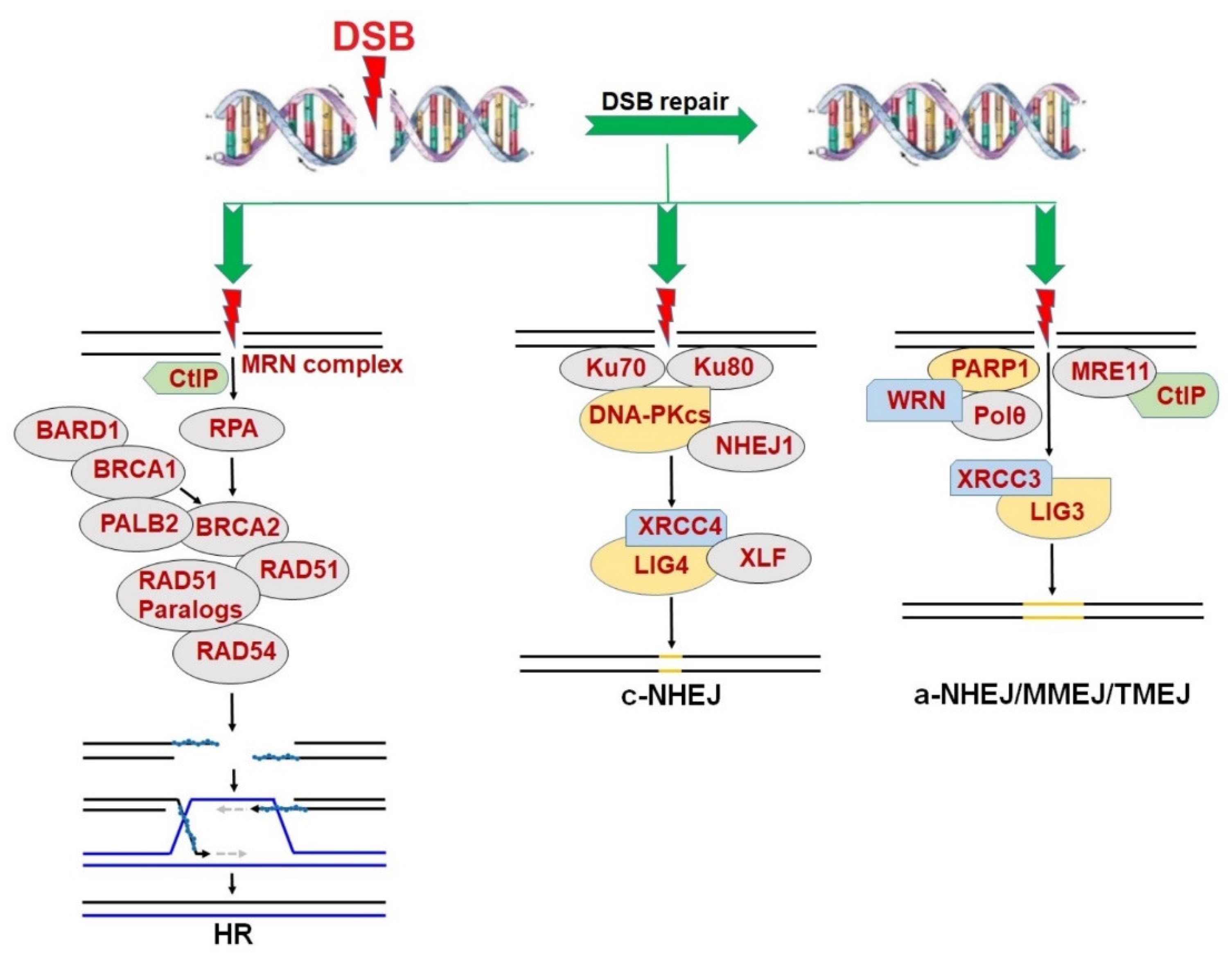
This suggests that evolution has strongly influenced the rate at which somatic mutations accumulate.
It fits the theory that long-lived animals invest more effectively in genome maintenance.
But there are two problems.
First, the study examined intestinal crypts. We cannot automatically assume that every tissue has exactly the same relationship.
Second, DNA mutations cannot explain all other hallmarks by themselves.
For example, extracellular collagen crosslinking is not a DNA mutation. Nor does mutation accumulation necessarily explain age-related deterioration of protein turnover.
It may be one of the major sources of damage that drives the broader maintenance problem.
My assessment: Strong evidence for a major contributor and possibly one of the earliest physical sources of cellular deterioration, but insufficient as a standalone explanation.
Candidate 5 — Proteostasis failure and loss of molecular turnover
This is a slightly different version of the maintenance theory.
Proteostasis refers to the systems that maintain the quality, structure and correct concentration of proteins.
The important processes include:
- Molecular chaperones.
- Protein-folding systems.
- The ubiquitin-proteasome system.
- Autophagy.
- Lysosomal degradation.
- Protein replacement and synthesis.
Aging can involve the accumulation of damaged, misfolded and aggregated proteins.
This is particularly important in neurons, which have very long lifespans and cannot simply replace themselves whenever something goes wrong.
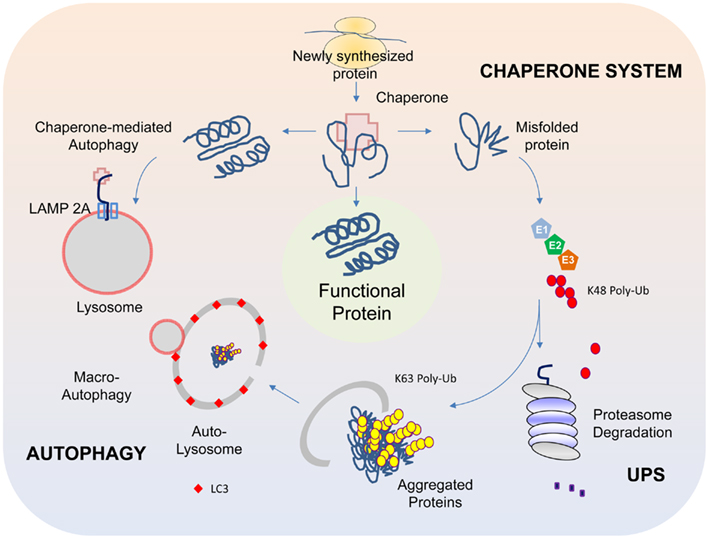
The theory has an attractive explanation for several hallmarks:
- Loss of proteostasis.
- Disabled macroautophagy.
- Mitochondrial dysfunction through defective mitochondrial quality control.
- Stem-cell dysfunction.
- Cellular senescence through accumulated proteotoxic stress.
Where it fails: It is difficult to make protein quality control the original cause of DNA mutations, telomere attrition and epigenetic drift.
However, it fits extremely well into the broader idea of declining maintenance and repair capacity.
I would not discard this as a separate contributor. It may be one of the major components of the fundamental maintenance system.
Candidate 6 — Energy production and metabolic capacity
This brings us back to the glycolysis research.
The argument is that cells gradually lose the ability to produce and distribute ATP efficiently, making it increasingly difficult to maintain cellular functions.
There are several possible mechanisms:
- Declining glycolytic ATP production.
- Altered NAD+/NADH balance.
- Reduced mitochondrial efficiency.
- Defective mitochondrial quality control.
- Impaired glucose transport.
- Loss of metabolic flexibility.

This candidate is attractive because almost all cellular maintenance requires energy.
DNA repair requires energy. Protein turnover requires energy. Ion pumping requires energy. Autophagy and intracellular transport require energy.
But there is an important problem.
In a 2025 review, Mitochondria Dysfunction: Cause or Consequence of Physiologic Aging?, the authors argue that the traditional explanation of aging as a progressive loss of mitochondrial ATP production, accompanied by accumulating mitochondrial mutations and oxidative damage, is not supported as a universal explanation.
They instead emphasise mitochondrial signalling, which regulates cellular stress responses and resilience. [Read the 2025 review]
This is a useful correction to the simple energy-deficiency hypothesis.
We shouldn't assume old cells are simply running out of energy. Their metabolic signalling, organisation and ability to respond to changing demands may be more important.
My assessment: Energy production is likely a fundamental constraint on maintenance, but there is insufficient evidence to make declining glycolytic or mitochondrial ATP the universal initiating cause.
Candidate 7 — Accumulation of damage in long-lived extracellular structures
This is one of the biggest omissions from the other AI's analysis.
Not all aging occurs inside cells.
Some of the most important biological structures are extracellular and are designed to last a very long time.
Examples include:
- Collagen.
- Elastin.
- Cartilage matrix.
- Basement membranes.
- Structural proteins in the eye lens.
These materials can undergo glycation, carbamylation, fragmentation and crosslinking.

For example, advanced glycation end-products can form crosslinks between long-lived proteins.
These changes alter mechanical properties and interfere with normal tissue function.
A review by Birch, Extracellular Matrix and Ageing, discusses how changes in collagen and elastin can disrupt tissue homeostasis.
This presents a serious challenge to a purely epigenetic explanation.
You could theoretically rejuvenate a cell's epigenome while leaving the surrounding extracellular matrix damaged.
The cell would then be operating in an aged environment.
This is also why I favour a theory involving maintenance of both biological information and physical structures.
My assessment: A genuine parallel driver that any comprehensive theory must accommodate.
Candidate 8 — Senescence, inflammation and loss of systemic coordination
The other AI classified this as an amplifier.
I agree with that interpretation, but I would give it more importance.
Senescent cells are not simply inactive or dead cells. They remain metabolically active and can secrete a variety of inflammatory and signalling molecules through the senescence-associated secretory phenotype (SASP).
These substances can affect neighbouring cells, the extracellular matrix, immune function and tissue regeneration.

This creates an important feedback loop:
- Molecular damage causes cellular dysfunction.
- Some damaged cells enter senescence.
- Senescent cells produce inflammatory signals.
- The surrounding environment becomes less favourable for tissue maintenance.
- More cells experience dysfunction or senescence.
- Inflammation becomes progressively harder to resolve.
There is also a feedback relationship with immune aging: the immune system becomes less effective at removing damaged and senescent cells.
The same applies to dysbiosis. Changes in the microbiome can contribute to inflammation and metabolic dysfunction, while aging-related changes in immunity, gut barriers and diet can alter the microbiome.
I would therefore describe senescence and inflammation as self-reinforcing secondary drivers, rather than merely passive consequences.
They can be downstream of one initiating problem and subsequently become independent sources of further deterioration.
Candidate 9 — Evolutionary optimisation and the allocation of maintenance
Ultimate-cause candidate
This is where I would make the biggest correction to the other AI's analysis.
It identifies declining force of natural selection as the ultimate reason for aging.
That is the traditional evolutionary explanation, but there is another important possibility.
A particularly relevant new review appeared in 2026:
Why We Age — Michael S. Ringel, Biological Reviews.
Ringel argues for evolutionary optimisation theories of aging.
The difference is subtle but important.
The traditional explanation is:
- Natural selection becomes weaker at older ages.
- Late-acting detrimental mutations are less effectively removed.
- Some early-life beneficial characteristics persist despite late-life costs.
- Maintenance is consequently imperfect.
The optimisation explanation is:
- Evolution selects biological systems that maximise reproductive fitness under real environmental constraints.
- Resources and biological investment have competing uses.
- Growth, reproduction, offspring quality, survival and maintenance all affect evolutionary fitness.
- A lifespan that is finite can emerge from an optimal biological allocation, rather than being merely an accidental failure of selection.
Ringel argues that optimisation theories explain several observations that he considers inconsistent with conventional mechanistic and weakening-selection theories.
There is also a 2024 PLOS Biology paper, A Unified Framework for Evolutionary Genetic and Physiological Theories of Aging, that attempts to bring mutation accumulation, antagonistic pleiotropy, disposable soma and developmental aging into a common framework.
Why I think this matters
Evolutionary optimisation could explain why organisms do not maintain every biological system indefinitely.
It might explain why maintenance capacity differs between species.
It could also explain why a biological programme that is beneficial during growth eventually becomes detrimental.
However, it does not identify the molecular mechanism responsible for aging.
Also, Ringel's conclusion is a theoretical synthesis, not an experimentally demonstrated consensus. His paper acknowledges that a key prediction about the fitness costs of longevity mutations still needs direct testing under natural conditions. He is also an employee of Life Biosciences, which is relevant context when evaluating his perspective.
My assessment: Very important for explaining why aging exists, but not a direct answer to which molecular mechanism causes the hallmarks.
3. My comparison of all the candidates
Here is how I would rank them, separating their different jobs in the causal hierarchy.
| Candidate | Best explanation | Main weakness | My judgement |
|---|---|---|---|
| Biological information loss | Epigenetic changes, cell identity, transcriptional drift | Doesn't explain all physical damage | Very strong |
| Maintenance and repair failure | Most primary hallmarks | Needs its own upstream explanation | Very strong |
| mTOR / growth hyperfunction | Nutrient sensing, autophagy, growth-maintenance balance | Cannot explain all damage mechanisms | Very strong |
| DNA damage / mutations | Genome instability, senescence, some stem-cell loss | Limited explanatory coverage of other hallmarks | Strong |
| Proteostasis failure | Protein quality, autophagy, cellular maintenance | Doesn't explain the entire genome and epigenome | Strong |
| ATP / metabolic failure | Maintenance energy, metabolic flexibility | No universal ATP decline demonstrated | Moderate |
| Extracellular matrix damage | Tissue structure and mechanical signalling | Doesn't independently explain intracellular aging | Moderate |
| Senescence / inflammation | Systemic deterioration and feedback | Often initiated by other mechanisms | Strong amplifier |
| Evolutionary optimisation | Why maintenance and lifespan are finite | Doesn't identify the biochemical first domino | Strong ultimate theory |
The most important change I would make to the original AI's ranking is to bring maintenance and repair failure into its own category.
The other AI essentially merges DNA damage and epigenetic information loss. That is sensible, but it doesn't fully accommodate the loss of protein quality, organelle turnover and extracellular structural integrity.
My proposed combination is:
Damage accumulation + loss of repair fidelity + loss of regulatory information.
These three together could account for considerably more of the aging process than any one alone.
4. How the twelve hallmarks fit into the proposed upstream model
This is perhaps the most important part of the investigation.
Rather than give each hallmark a single theoretical cause, I would identify its most likely upstream mechanisms and determine where they converge.
| Hallmark | Likely upstream causes | Most important connection |
|---|---|---|
| 1. Genomic instability | DNA damage, reduced repair fidelity, replication errors | Maintenance failure |
| 2. Telomere attrition | Replication, telomere maintenance, DNA damage responses | Genome maintenance |
| 3. Epigenetic alterations | DNA repair-associated chromatin changes, loss of cell-state information | Information maintenance |
| 4. Loss of proteostasis | Defective folding, clearance, replacement and quality control | Protein maintenance |
| 5. Disabled macroautophagy | mTOR/AMPK dysregulation, lysosomal dysfunction, impaired recycling | Maintenance regulation |
| 6. Deregulated nutrient sensing | Insulin/IGF-1, mTOR, AMPK and metabolic signalling | Growth-maintenance control |
| 7. Mitochondrial dysfunction | Mitochondrial damage, defective mitophagy, signalling abnormalities | Organelle maintenance |
| 8. Cellular senescence | DNA damage, telomere dysfunction, oncogenic and metabolic stress | Damage response |
| 9. Stem-cell exhaustion | DNA damage, epigenetic drift, telomere dysfunction, aged niches | Loss of regenerative capacity |
| 10. Altered intercellular communication | Senescence, extracellular matrix changes, immune and endocrine dysfunction | Loss of coordination |
| 11. Chronic inflammation | Senescent cells, immune dysfunction, barrier dysfunction, persistent damage signals | Systemic feedback |
| 12. Dysbiosis | Ecological changes, immune dysfunction, gut-barrier changes, altered metabolism | Host-environment interaction |
An important observation:
The first seven hallmarks can largely be understood as failures of maintenance, regulation and cellular quality control.
The final five increasingly involve the propagation of dysfunction through tissues and the organism.
This is not a rigid distinction. For example, chronic inflammation can itself cause DNA damage, impair stem cells and accelerate senescence.
The proposed hierarchy is therefore a way of identifying likely causal relationships, not a claim that every tissue ages in the same sequence.
There are also potentially important missing mechanisms. The 2026 review of the hallmarks specifically considers RNA-processing abnormalities and extracellular matrix remodelling as additional candidates. [2026 Hallmarks review]
5. Where I disagree with the other AI's five tests
I think the tests are useful, but a couple of them need refinement.
The reset test
The argument is that embryos and clones start young, so the underlying cause must be something that can be reset.
This is a useful observation, but it doesn't uniquely support epigenetic information loss.
Somatic cell nuclear transfer can restore developmental potential to a nucleus taken from an adult animal. Some age-associated features, including telomere abnormalities, can be corrected during nuclear reprogramming.

However, cloning isn't universally perfect. A review of cloned animals found that some survive to normal species-specific ages, but data for many species were limited and often anecdotal.
There is another important distinction.
A cloned animal can retain the donor's DNA mutations but still develop into a young animal. This means that the presence of a mutation does not necessarily mean the entire organism must retain the donor's biological age.
Conversely, embryos undergoing natural development can extensively reprogram their epigenome and telomere biology.
The reset test therefore demonstrates that aging-associated states can be reversible, not that epigenetic information is the sole underlying cause.
The scaling test
The Cagan research is strong evidence that mammalian species have evolved different somatic mutation rates according to lifespan.
But it doesn't establish that the same relationship applies to all biological damage.
We need comparable studies measuring:
- DNA repair accuracy.
- Epigenetic information retention.
- Protein turnover.
- Autophagy efficiency.
- Mitochondrial quality control.
- Extracellular matrix deterioration.
Across species with very different lifespans.
The intervention test
Rapamycin, partial reprogramming and senolytic approaches can influence aging-associated characteristics.
But an intervention that changes lifespan doesn't necessarily target the original cause.
For example, eliminating senescent cells might improve health even if DNA mutations and epigenetic changes remain.
Likewise, partial reprogramming could restore cellular identity without repairing every underlying DNA lesion.
We need to identify the mechanism that mediates the improvement, not simply observe that an intervention works.
The exception test
I would be especially cautious about using cancer cells and naked mole-rats as decisive evidence.
Cancer-cell immortality is primarily about overcoming the normal barriers to proliferation. It is not equivalent to maintaining a healthy, multicellular organism indefinitely.
Naked mole-rat metabolic adaptations are fascinating, but their ability to use fructose-driven glycolysis during oxygen deprivation does not establish that glycolysis is the source of their longevity.
Exceptions need to be tested against the actual mechanism being proposed, rather than their superficial similarities.
6. The model I would investigate: a maintenance-control failure
I would bring the strongest elements of the candidates together into a single proposed architecture.
The proposed cause-and-effect architecture of aging
Natural selection, life-history trade-offs, resource allocation and developmental programmes establish how much maintenance capacity an organism develops and sustains.
↓
DNA repair, epigenetic regulation, protein quality control, autophagy, mitochondrial maintenance, extracellular repair and metabolic regulation.
↓
Biological disturbances and damage progressively exceed the effective capacity to detect, repair, remove, replace and correctly reconstruct biological structures.
↓
Mutations, damaged proteins, organelle dysfunction, crosslinks and membrane deterioration.
Epigenetic drift, altered transcription, disrupted cell identity and impaired signalling.
↓
Senescence, stem-cell exhaustion, impaired autophagy, inflammation and disrupted tissue regeneration.
↓
Inflammation, altered intercellular signalling, microbiome changes, organ dysfunction and reduced physiological resilience.
Hypothetical integrated model. The arrows represent proposed causal tendencies, with important feedback loops at every level.
There is an important mathematical way to express the central idea.
Let:
- D(t) = the rate of biological damage and disturbance.
- R(t) = the effective rate of repair, removal and replacement.
Then the accumulating maintenance deficit can be approximated as:
M(t) = ∫₀ᵗ max[0, D(s) − R(s)] ds
This is a conceptual model, not an established biological law.
It illustrates something important: an organism doesn't necessarily age because its damage rate increases. It can also age because its capacity to correct damage decreases.
And the two can happen simultaneously.
Furthermore, R(t) must represent more than DNA repair. It must include the ability to preserve biological information, maintain protein quality, recycle organelles, renew extracellular structures and restore homeostasis.
The central research question becomes:
What causes the effective maintenance capacity of an organism to become progressively inadequate?
That is the question I think we should try to answer.
7. The experiments that could distinguish these theories
I would prioritise five experiments.
| Experiment | What it would establish |
|---|---|
| 1. Longitudinal measurement of damage and repair across multiple tissues | Whether maintenance failure precedes the hallmarks |
| 2. Introduce epigenetic drift without DNA breaks | Whether information loss independently accelerates aging |
| 3. Restore DNA repair, proteostasis and autophagy independently | Which maintenance mechanisms are necessary and sufficient |
| 4. Restore energy production without changing growth signalling | Whether ATP availability is a limiting factor or merely a correlated feature |
| 5. Compare short-lived and long-lived species using the same measurements | Whether maintenance fidelity predicts species lifespan |
I would add one particularly ambitious experiment.
A combined maintenance-restoration experiment.
Take older animals and restore several systems simultaneously:
- DNA repair fidelity.
- Epigenetic maintenance.
- Protein quality control.
- Autophagy.
- Mitochondrial quality control.
- Extracellular matrix maintenance.
Then compare the results against individual interventions.
The critical question would be whether restoring several maintenance mechanisms together produces a disproportionately larger improvement in healthspan and lifespan.
If so, that would support a common maintenance-control problem.
It still wouldn't prove a single molecular cause, but it could reveal the underlying system whose deterioration connects the hallmarks.
8. My final ranking
I would separate the answers by what we are trying to explain.
What is the best common cellular explanation?
Maintenance-control failure
The progressive loss of the ability to maintain correct biological structures, information and homeostasis.
What is the strongest specific molecular candidate?
Damage-induced loss of epigenetic information
DNA damage and repair-associated disruption of chromatin regulation may cause cells to lose their correct identity and regulatory state.
What is the strongest regulatory rate-setter?
Growth versus maintenance signalling
Particularly mTOR, insulin/IGF-1 and AMPK, which regulate the balance between growth, metabolism, recycling and maintenance.
What is the strongest evolutionary explanation?
Evolutionarily constrained maintenance investment
Selection, developmental trade-offs and resource allocation influence how long and how effectively organisms maintain themselves.
What is the major amplifier?
Senescence and chronic inflammation
These processes can turn initially local dysfunction into widespread tissue and systemic deterioration.
The important implications for immortality research
There is something potentially significant in this distinction.
If aging is principally caused by the accumulation of individual types of damage, we might need to repair each type independently.
But if aging is driven by a common deterioration in the machinery that maintains and reconstructs biological systems, then restoring that machinery could potentially address several hallmarks simultaneously.
This would be a fundamentally different approach to longevity.
Instead of continuously treating the consequences of aging, we would seek to restore the systems responsible for preventing aging-associated deterioration.
I would particularly investigate three molecular families:
| Molecular system | Why it matters |
|---|---|
| Chromatin and epigenetic regulators | Preserve cellular identity and gene-expression information |
| DNA repair and proteostasis machinery | Detect and correct physical molecular deterioration |
| AMPK–mTOR–autophagy signalling | Regulate the balance between growth, energy use and cellular maintenance |
I would keep glycolytic ATP production in this investigation as a possible enabling mechanism, rather than assuming that it is the master switch.
One further point: the 2024 survey of 103 aging researchers found substantial disagreement about the definition and causes of aging, and the 2024 driver-versus-passenger review by de Magalhães explains why observational correlations cannot reliably establish the causal hierarchy. [Researcher survey]
My ultimate position: If we are looking for one common upstream cause, I would investigate the progressive loss of maintenance and information-control fidelity before I would investigate any individual hallmark as the master cause.
The epigenetic information theory offers a particularly promising mechanism for that failure, but I would not yet elevate it above the broader maintenance-control hypothesis.
The distinction matters: we may be looking for a single failure of a biological system, rather than a single failing molecule.
Selected foundational references
- López-Otín et al. (2023). Hallmarks of Aging: An Expanding Universe. Cell.
- Yang et al. (2023). Loss of Epigenetic Information as a Cause of Mammalian Aging. Cell.
- Cagan et al. (2022). Somatic Mutation Rates Scale with Lifespan Across Mammals. Nature.
- Blagosklonny (2006). Mechanisms of Aging and Developmental Hyperfunction.
- Budinger and Chandel (2025). Mitochondria Dysfunction: Cause or Consequence of Physiologic Aging? Genes & Development.
- Ringel (2026). Why We Age. Biological Reviews.
- Chmielewski and Strzelec (2026). The Hallmarks of Aging: From Molecular Mechanisms to Clinical Translation. International Journal of Molecular Sciences.
- Disagreement on Foundational Principles of Biological Aging. PNAS Nexus (2024).